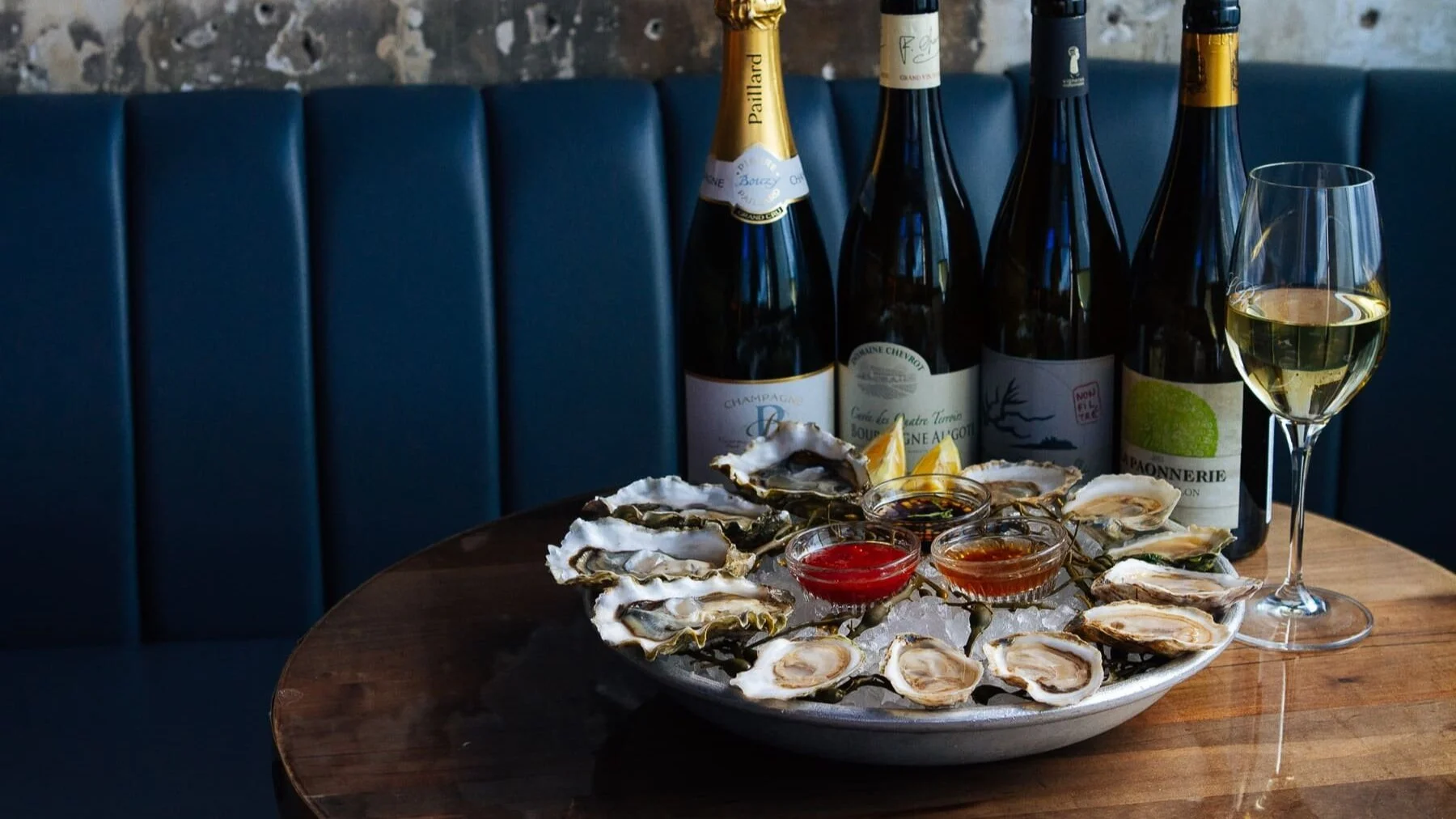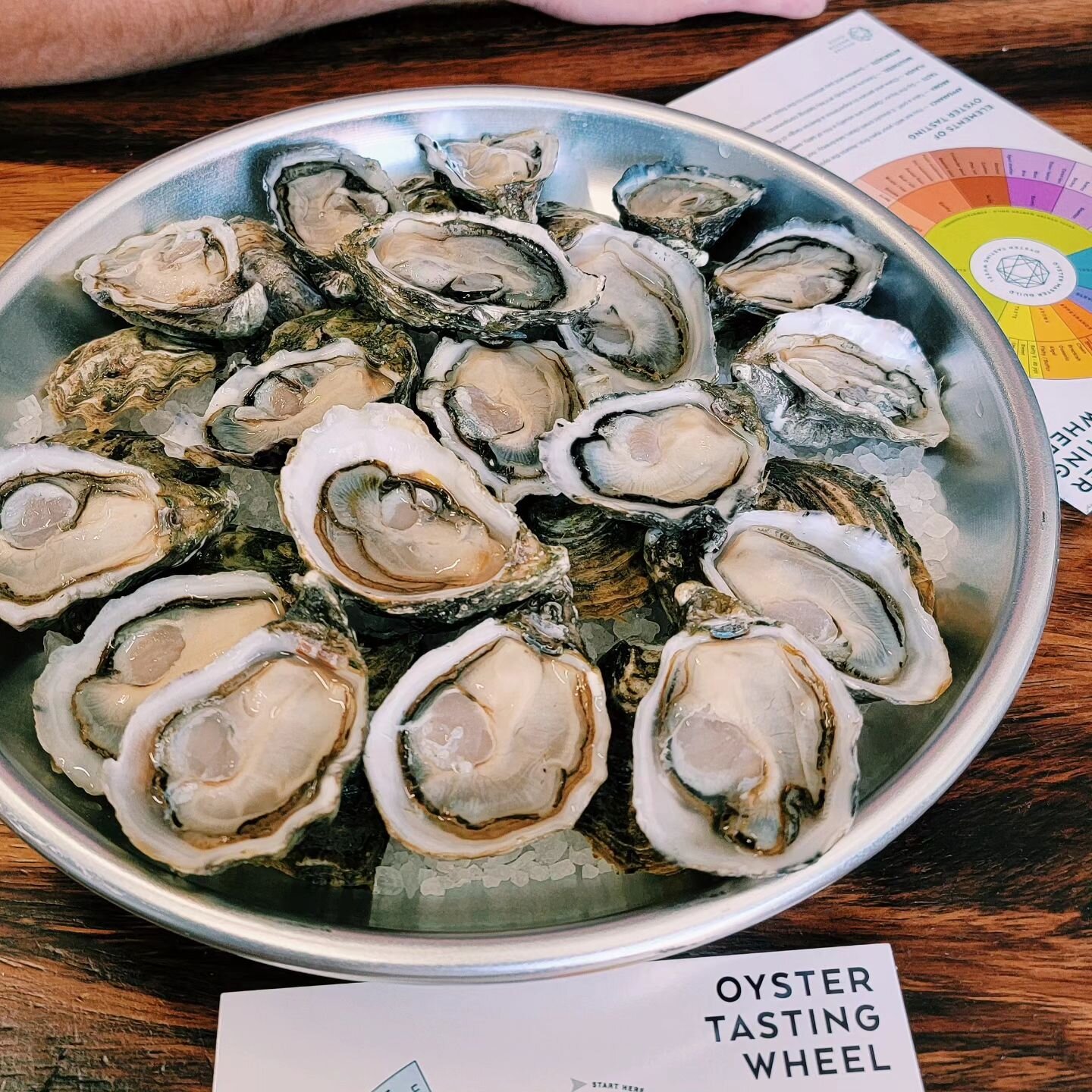
A hefty box of Pleasure House Oysters from Lynnhaven, Virginia were dropped off at my office in Times Square. Little did I know these were a modern day homage to a historically iconic oyster. I shared them with a select group of the most avid oyster loving colleagues, and here’s what we had to say…

The Perfect Oyster    IMG_5891

IMG_5862    IMG_5866

IMG_5869    IMG_5881

IMG_5905

The verdict was unanimous: Pleasure House Oysters are amazing. Everyone who tried an oyster most certainly wandered back for a second… and third… maybe a forth, accompanied by big wide puppy eyes. No one could get enough of these supremely plump and toothsome oysters from the great Lynnhaven River.

Back in their heyday, Lynnhaven Oysters were requested by the rich and the royal during the 18th and 19th centuries. European elites loved them for their taste, texture, and tremendous size. Unfortunately over-harvesting and pollution rapidly deteriorated the water quality, and decimated the oyster population along with it. In recent years, there has been a turnaround in the area’s productivity thanks to rigorous water conservation efforts. So much so that the areas where Pleasure House Oysters grow are still occasionally closed for safety reasons*. Fortunately, I had the opportunity to taste Chris Ludford’s oysters in their peak condition back in March.

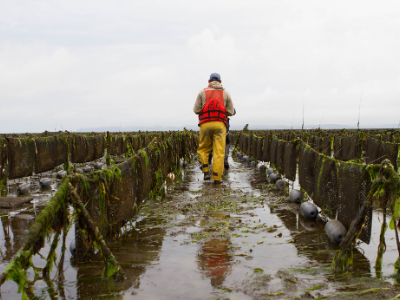
The Pleasure House brand was created by the Ludford Brothers, who have been growing their own since 2010 as a method of quality control. They care for their oysters by hand from start to finish, only using a motor boat to get them to and from the farm. Talk about a sustainable and artisan product!

But let’s pause for a minute and talk about the name. I mean, I’ve come across some pretty saucy names in my day (i.e. The Forbidden Oyster, Naked Cowboy Oysters, French Kiss…etc), but when I received that first email from Chris, I definitely raised an eyebrow. Here’s the scoop, straight from the creator:

The name of our oysters is a reference to the proximity of our farm to Pleasure House Creek and Pleasure House Point which are both on the Lynnhaven River.  The area was settled in 1635 and not long after a tavern was opened on what is now Pleasure House Road which is also near all of the previously named locations. It had no other name other than The Pleasure House.  There are many rumors as to what could be found at this tavern from 1700 through the late 1800s but the only facts that are widely accepted point to it as one of the first taverns in the New World where spirits could be had. During the Revolutionary War and War of 1812 it was used by the British and Americans (respectively) as a base and observation point for nearby enemy shipping traffic on the Chesapeake Bay entrance.  Unfortunately the structure burned in the 1980′s and has been lost forever.

So there you have it. These oysters are now forever tied (in my mind) to the unimaginable debauchery that was had back then. Their type of fun probably made Gatsby parties look like kids play. Either way, it’s quite provocative and exciting. As a brand strategist, I applaud this level of storytelling. I think it’s a smart way to reel the consumer in and have them associate you with an interesting idea. But of course, branding and marketing isn’t everything. Now it was time to see for myself what they were all about.

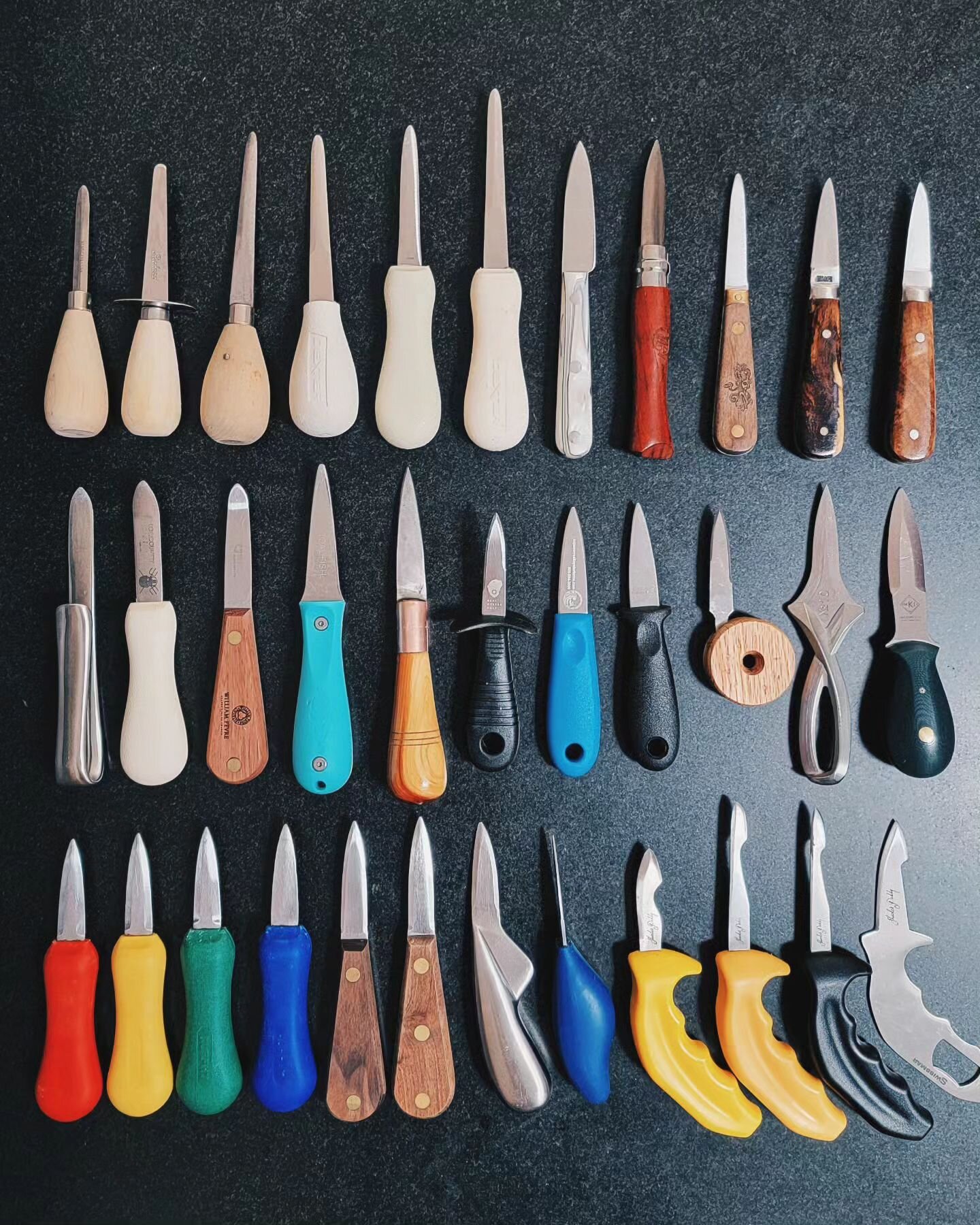
The shells were hearty and solid, which made them easy to open without much crumbling. One of my favorite moments when I’m shucking an oyster is hearing and feeling the unlocking of the hinge. It’s like opening a icy can of beer on a hot summer day or popping the cork off a fine bottle of champagne.

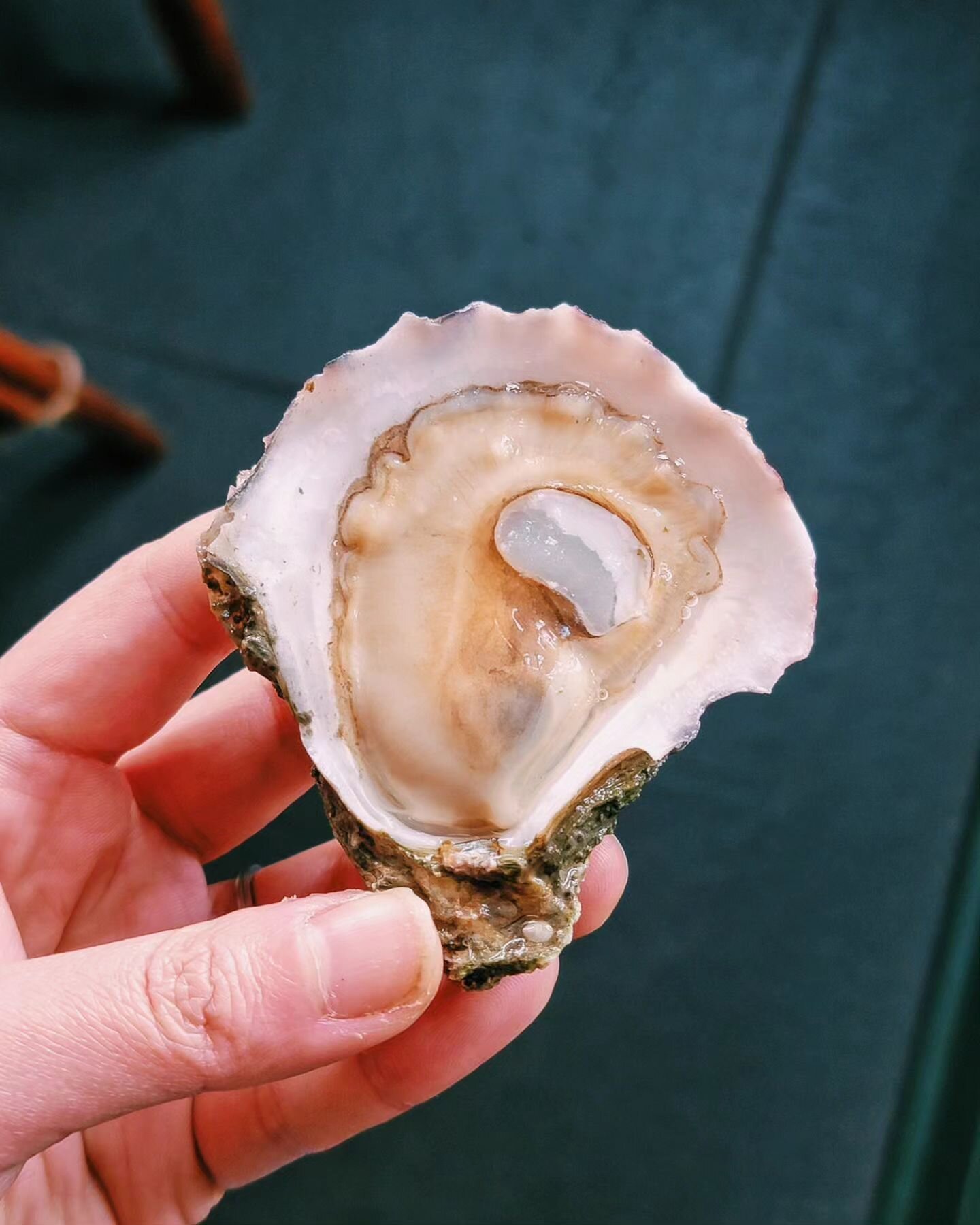
The meat, as you can see from the photos, was superbly plump and white. The oyster bellies bulged from their shells, which still contained a great deal of clear oyster liquor. No mud, no grit, and no oyster crabs either.

Tilting the bill of the shell to my lips, I sipped the chilled oyster liquor. It was smooth and had a well-balanced medium salinity that tasted fresh and lively.  Next, I slurped the oyster back and chewed carefully. The first sensation that I felt was a sensory awakening. These were extremely clean and crisp oysters! Harvested merely 24 hours before, I could feel the vivaciousness in the flesh.

They were quite plush and varied in mouthfeel. Some bits were as elastic as a clam, while others were soft and supple like sea urchin. I’m a huge fan of interesting texture, and these definitely had it. The flavor was a brothy mix of vegetal flavors: soybean, seaweed, and subtle grassy notes rose to the top. The sweetness was subtle, but rose in force near the finish. The more you eat, the sweeter they seemed to taste.

Overall, Pleasure House Oysters delivered a wonderfully pleasurable experience for me and my colleagues. I hope to see them soon on oyster menues around the city.


*A Side Note: In April, I was informed that the river had a large part shut down for harvest and Pleasure House Oysters was part of it. The oysters that I consumed were perfectly safe, free of contaminants. This closure was the result of, “a general degradation of water quality” as put by the Virginia Department of Health. The readings of poor water quality stemmed from an abnormally wet February and March. Pleasure House Oyster farm had the lowest readings in the closed area and was unfortunately just barely inside the closed area by about 750 yards! Anyway, they are well on their way to reopen at the beginning of June.

Last Thanksgiving, I had the pleasure of experiencing the Forbidden Oyster, a Virginica oyster grown at the mouth of the York River in Virginia. However, these are not your typical Virginicas…

Forbidden Oysters

Forbidden Oysters, by affiliation, have a long and prestigious heritage. They are cultivated by Greg Garrett — whose family has been eating oysters grown from the area since 1620 (!!!). His 14x great grandfather was the founder of Yorktown, which sits at the mouth of the York River on the south side. A few hundred years after the town’s founding, Greg’s family were able to secured prime oyster farming property along the water. The story of the Forbidden Oyster isn’t all smooth sailing though. There was a lot of controversy surrounding his right to grow oysters on these grounds. A lot of legalities, politics, and what not. But after much determination and fight, the Forbidden Oyster have finally made their debut to the world.

Upon first glance, I knew that these oysters looked their name. The rugged shells were armed with barnacles and gritty sea life. They each stood like little individual fortresses, ready to combat and give hell to whatever or whoever tries to invade them. But what was truly deceptive about their appearance was the actual shell strength. Due to perhaps a number of things, the shells were quite porous and brittle. I had a lot of trouble shucking through the hinge. The corners kept crumbling and breaking apart, which caused me to gash open cavities in several of them that leaked out precious oyster liquor. So I adapted my shucking technique to accommodate this situation by going in slightly to the side of the hinge. Then they opened up just fine.

Forbidden Oysters   Forbidden Oysters

From the inside, the Forbidden Oyster’s brutishness melted away to reveal a smooth, pearlescent white interior. The bellies of the oysters were creamy, plush and opaque: a sure sign of a delicious and hearty treat. Many of the oysters, about one in four, contained small pea crabs. These crabs shack up in oyster shells for protection and an easy meal. While they don’t eat the oysters themselves, they do steal its resources. Kind of like a bum friend who decides to crash on your couch for two months without paying rent.

Anyway, oyster crabs are considered a delicacy in this area. If you happen upon one, the proper thing to do is to eat it. Raw. Just like that. Look at it. It’s a little intimidating, no? I haven’t done it yet… maybe I can be persuaded at a later time.

Forbidden Oysters   Forbidden Oysters

From a taste perspective, Forbidden Oysters are mildly briny, supple and sweet. The flavors are clean and smooth, with a hint of earthiness in the finish. The meat is very soft and tender, so there was little need to chew. They are quite flavorful in comparison to many other Virginia oysters that I’ve had, but not as potent as other East Coast oysters along the rivers that feed directly into the Atlantic. I’d say that they’re a really good beginner’s oyster — The Forbidden Oyster gives you a preview of what a truly great oyster can be without necessarily pushing the limits of your palette. They’re easy to eat, easy to enjoy… just not so easy to open. But who cares to do only the easiest things in life? Once you master the shucking technique, they’ll be well worth it. Or maybe just best to get someone else to do that for you!

Forbidden Oysters can be found in some the hottest oyster bars in the nation. SF’s Waterbar has carried them before, along with L&E Oyster Bar in LA. But for me, I think the best way to go is to order them directly from Greg. You’ll get them fresh and fast through overnight delivery. If you need a little help on how to enjoy oysters at home, be sure to check out my post on just that!

Next time… Another new Virginia oyster experience: Pleasure House Oysters from Lynnhaven River, VA. So stay tuned!

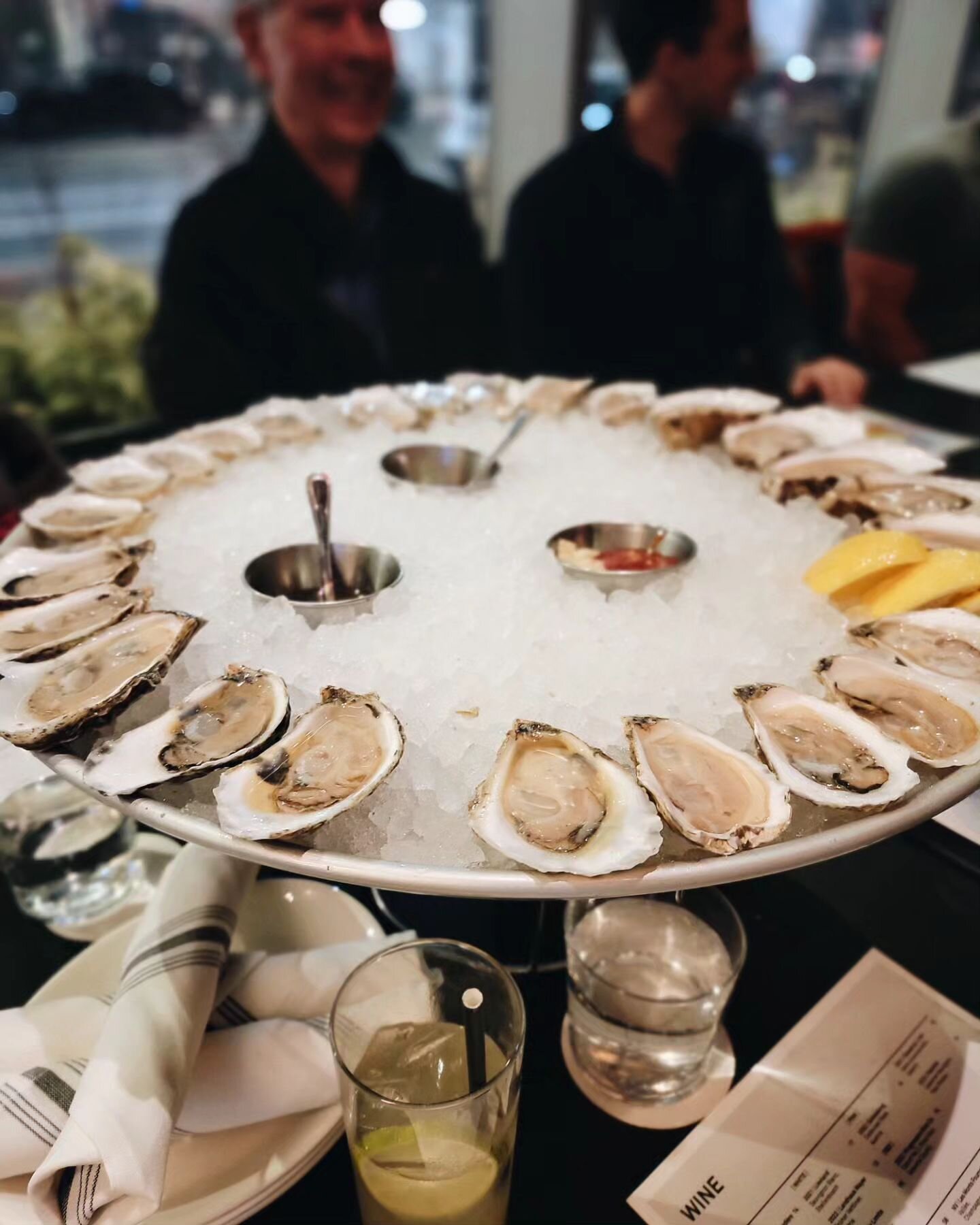
A quick photo recap of a oyster tasting at Epicerie Boulud on the UWS with my new favorite slurping buddy C!

IMG_3415


The oyster bar offered five varieties that day: Sewansecott (VA, YAY!), East Beach Blonde (RI), Ninimoto (RI), Fire Lake (New Brunswick), and Kumamoto (WA).

Oysters and BBQ might go hand in hand in the south, but it’s rather uncommon to see it in the Northeast. At Blue Smoke however, they’re trying to change all of that. They called in the NY Oyster Lovers Meetup Group to be the first testers/guinea pigs of Chef Eddie Montalvo’s bivalve & barbecue creations.

IMG_2297

There were ten of us that night and none of us knew what to expect. We had seen a preview of the menu, but it was hard to predict just how everything would be executed. Blue Smoke is well known for their lip-smacking barbecue, but oysters? Word on the street is that they’re looking to dive into the oyster scene, quite literally.

IMG_2285

Chef Eddie came over to the table to say hello and confess just how nervous (!) he was for this meal. In fact, it seemed like his entire team was on edge — a good edge. The overall excitement and anticipation of what was to come kept us all very chatty. All of the oysters being used were sourced through W&T Seafood. Crystal and Adam were there to both help explain the product and experience it for themselves.

IMG_2313    IMG_2324

The first curveball of the night was a surprise oyster shot! The raw Matunuck oyster — the chef’s “absolute favorite” type of oyster — sat atop a small shot glass. The elixir was made of vodka, bloody mary (I think), and beef drippings (OMG!). It was also accompanied by a rather untraditional corn dog — or should I say “oyster dog”? The chef fell in love with the Matunuck oyster after visiting the farm, which is very understandable.

The plate of raw oysters featured Matunucks and Shigokus, to get a taste of both East and West coast. There were a variety of condiments available to us: cocktail, mignonette, cholula hot sauce, and homemade tarragon mayonnaise. I tried a little bit of the tarra-mayo mix, but quickly concluded that I’m just a purist through and through. The Shigoku oysters were also used in a hearty oyster pan roast. The thick, buttery soup consisted of a few poached oysters that added a depth to the flavor and texture.

By this time, everyone’s appetites were prepped and stretched, ready for more. Oh, we definitely got MORE. Texas-style sliced beef brisket with oyster cornbread stuffing. Then came heaps of slow-cooked pulled pork with mac & cheese. Followed by giant pieces of Applewood-smoked chicken with sesame cole slaw. Lastly, a trio of desserts swooped in to seal the deal: key lime pie, chocolate cupcakes, and seasonal cobbler crisp with homemade ice cream. This was a feast of epic proportions, and it hard garnered many envious looks from across the restaurant.

IMG_2372    IMG_2385

When Chef Eddie came out for the forth and final time, an enthusiastic round of applause arose from our table. Many thanks to the entire Blue Smoke team for putting this meal together. Also thanks to Crystal for organizing!

As a last hurrah to the summer, I took a rather impromptu trip out to Seattle for two reasons: see friends and eat oysters. After spending several days slurping West Coast gems around the Emerald City and doing semi-touristy things, here’s the recap of the highlights.

IMG_1574

The first and most obvious oyster bar to talk about is Elliott’s Oyster House. This seafood institution has just about everything: a massive oyster list, dozens of delicious wines, phenomenal appetizers, and signature entrees. Plus, they’ve got an outdoor space that stretches the better half of Pier 56. Thanks to the amazing weather, we were able to savor the fresh air outside while enjoying happy hour.

Happy Hour deals are popular around the city (there’s even an app that tracks all of them… why don’t we have that in NYC?) and Elliott’s is no different. They start at 3PM with a $0.75 oyster special. Then at 4PM it increases to $1.25 and then to $1.75 at 5PM. The competition for oyster bar seats is fierce, so make sure you get there plenty early. Also, don’t let the impatient glares from hungry Happy Hour fans intimidate you. When you go, be sure to walk PAST the first Elliott’s oyster counter that’s facing the street. There is a separate entrance for the oyster bar a dozen or so steps down the pier.

IMG_1580

The oyster menu at Elliott’s is part geek, part tease. It lists out every single variety of oyster that they carry, along with its origin and grow-out method (first time I’ve seen this on a menu!), but will only place checkmarks next to those that are available. I got super excited to see Olympias and European Flats on the menu, but was later let down by the aforementioned caveat. Still, we managed to try a bunch of delicious west coast varieties.

Mirada from South Hood Canal, Washington (Beach)
Flavor: 6 | Salinity: 7 | Sweetness: 6 | Texture: Soft, pillowy
These petite palette pleasers had a really sweet and satisfying flavor of edamame.

Bayne Sound from Vancouver Island, BC (Intertidal beach)
Flavor: 8 | Salinity: 9 | Sweetness: 8 | Texture: Chewy, firm, crunchy at times
Bright, briny, and rather large — these savory oysters were packed with a mineral punch.

Kusshi from Vancouver Island, BC (Suspended)
Flavor: 6 | Salinity: 7 | Sweetness: 7 | Texture: Plump, creamy
These oysters are impossible not to love: perfectly sweet, fruity, and creamy bites.

Barron Point from South Puget Sound, Washington (Intertidal beach)
Flavor: 8 | Salinity: 5 | Sweetness: 6 | Texture: Creamy, chewy
Relatively mild flavors compared to other west coast oysters, but nonetheless delicate and balanced.

Pickering Passage from South Puget Sound, Washington (Intertidal beach)
Flavor: 7 | Salinity: 4 | Sweetness: 5 | Texture: Thin, soft
These slender oysters tasted quite fishy — in a good way — at least in moderation.

We also ordered the fried calamari and famous crabcakes, which I’d highly recommend trying. Overall, Elliott’s is a great place to check out when you’re visiting. It’s conveniently located to some other cool attractions such as the newly installed ferris wheel and Pikes Place Market.

IMG_1690

This is the view of the Sound off the pier just beyond Elliott’s Oyster House. Gorgeous right? Make sure to go when the weather is nice… I heard that you typically can’t see these breathtaking Olympic mountains! Early September may be the way to go.

IMG_1989

Next up is The Walrus and the Carpenter in Ballard. First thought I had while entering the space was, “Did I really leave NYC or am I back in Brooklyn all of the sudden?” The reclaimed decor, the quirky characters behind the counter, the matter-of-fact menu… just about every minute detail was carefully considered, pondered, and crafted. The only thing that didn’t feel like it belonged were the baskets of Walrus & Carpenter t-shirts stored atop the wine cabinet. Although it took us about an hour to get off the wait list, we didn’t really mind. We sipped dark & stormy’s and nibbled on phenomenal salmon at the adjacent restaurant, Staple & Fancy Merchantile. I would highly recommend checking both restaurants out — perhaps doing oysters first at Walrus & Carpenter, followed by a meal at Ethan Stowe’s Staple & Fancy Merchantile. The other way around seems to work too!

IMG_1993

See the dude with the cap? That’s the shucker. And he’s awesome.

The Walrus & the Carpenter oyster meu isn’t nearly as extensive as Elliott’s, but I appreciate restaurants that are confident in their limited selections. It ensures that the product is at its very best. The shucking was impeccable. Each oyster sat very pretty in its shell, that is, until I came along.

Hammersly from Hammersly Inlet, Washington
Flavor: 6 | Salinity: 6 | Sweetness: 7 | Texture: Creamy, soft
This crisp, sweet oyster had a miraculously delicious after taste … of lettuce or something?

Treasure Cove from Southern Puget Sound, Washington
Flavor: 5 | Salinity: 7 | Sweetness: 7 | Texture: Chewy, semi-firm
Petite, but very savory — they possess a delicate seaweed taste and clean finish.

IMG_2013

When I wasn’t eating oysters, I was usually either eating something else or drinking something else. Seattle is PACKED with amazing restaurants — in fact, the food scene is quite comparable to the best of NYC’s. There probably isn’t the same quantity, but oh, the quality… on par and at times, above. Here’s a list of the other places that I really enjoyed:

Terra Plata: Amazing, amazing, amazing. The ambiance, the rooftop, the organic produce, the seafood… I’ve never had mussels so plump and juicy. Every dish was prepared to perfection. Loved the chanterelles and stuffed roasted peppers. I would eat there again, and again, and again. Just be prepared for a serious wait (or try and make reservations in advance!)

Toulouse Petit Kitchen & Lounge: I have four words — Late Night Happy Hour. It’s a must. It’s famous and now I know why. Fried oysters, raw oysters, pork belly, po’boys, the works. Nearly everything from the regular menu was offered and half price. We ate and drank like kings for a fraction of the price. On Wednesday nights, they also bring in a DJ to amp up the mood.

Umi Sake House: “I’ll have one of every special,” was the phrase that I uttered to the head sushi chef. That was precisely what I got. Favorite was the buttery, dreamy albacore belly.

360 Local: Chanterelles egg scramble? Yes please! This farm-to-table, local, organic haven just a couple blocks up from where I was staying in Belltown was the perfect brunch spot.

Fare Start: Now here’s a concept that’s new to me. A non-profit restaurant… they train low-income or homeless citizens to work in the kitchen. Once having graduated the program, many find work in restaurants around the city.

To help work off the many meals consumed, I did a bit of sea kayaking around West Seattle and the Sound. Thanks to Scott from Alki Kayak Tours, I learned how to brace semi-turbulent waves like a champ. When I signed up for the tour, I had no idea that it was a one-on-one deal. So when I found out that we were all on our own, it was better than what I had expected! If you like kayaking, I’d highly recommend taking the Lighthouse tour with Scott. You’ll get to see the charming lighthouse, many mountain ranges and peaks (if you’re out there on a good day), sea lions and seahawks, and maybe even the Statue of Liberty (not kidding).

IMG_2043

Last, but certainly not least is Taylor Shellfish Farms at Melrose Market. It’s now my favorite place to go for oysters in Seattle. The store itself was very unique — it’s part market, part oyster bar. The cashiers were also the shuckers. There were high stools, a chowder bar, and a selection of fine oyster wines (curated by no other than oyster wine aficionado Jon Rowley).

IMG_2111     IMG_2106

IMG_2096

I met up with Jon at Taylor on Saturday evening a short while after returning from kayaking. While Jon was rather calm about being in a room with oodles of shellfish and crustaceans, I was brimming with glee. I felt like a kid in a candy store… of geoduck, dungeness crab, kumamoto oysters, and mussels. We ordered a dozen or two Kumamotos and Kusshis, scallop ceviche, and geoduck sashimi. Words cannot describe how happy I was right then.

IMG_2123

IMG_2120     IMG_2128

IMG_2125     IMG_2151

For those who have not tried geoduck — or know what geoduck even is — make it a point to do so. As pictured above on the right, geoduck is a rather phallic looking mollusk. Want to know what else? They squirt at random. No joke. But in sashimi form, this seemingly crass clam takes on an astonishingly delicate and refined flavor. It has a crunchy, smooth texture and a subtly sweet finish. It’s no where as complex as the oyster, but sometimes, I crave it more.

IMG_2222

It was difficult to leave this beautiful city. I am definitely returning next year for more eats, kayaking, and fun! If you have your own Seattle story or tips, be sure to leave a comment!

Visit my Flickr for the full photo gallery.

  • OYSTER POWER!

    Hello! My name is Julie Qiu and I am an oyster enthusiast from New York City. Although I grew up in the midwest, I just can't get enough of these beautiful bivalves.

    In A Half Shell showcases my insatiable appetite and passion for oysters. Not only are they tasty, they're a healthy food source and play a key role in environmental sustainability.

    My hope is to make the oyster more enjoyable, desirable, and accessible for everyone—from beginners to fellow aficionados.

    I've had over 200 varieties of oysters from six continents and have eaten them on five continents, so if you ever need a tip on which oysters to try (and where), don't hesitate to ask! Just email me or tweet me.