

IN A HALF SHELL
Oyster 101 Guide

Lesson 1: The Basics
Oysters are bivalve mollusks that eat phytoplankton.
They are voracious filter feeders and changes to its environment and climate can have a profound impact on its taste and texture.
Raw oysters are very good for you.
They are low in calories and fat, while packed with essential vitamins and minerals. Especially zinc!
There are 200+ species in the Ostreidae family. about two dozen are consumed worldwide. Five species are available in North America.
Atlantic / East Coast native (Crassostrea virginica),
Olympia / West Coast native (Ostrea lurida),
Pacific / West Coast non-native (Magallana / Crassostrea gigas),
Kumamoto (Magallana / Crassostrea sikamea),
European Native / Flat (Ostrea edulis).
Over 95% of the oysters we eat are farmed.
Oyster farming is one of the most sustainable and regenerative forms of aquatic food production.
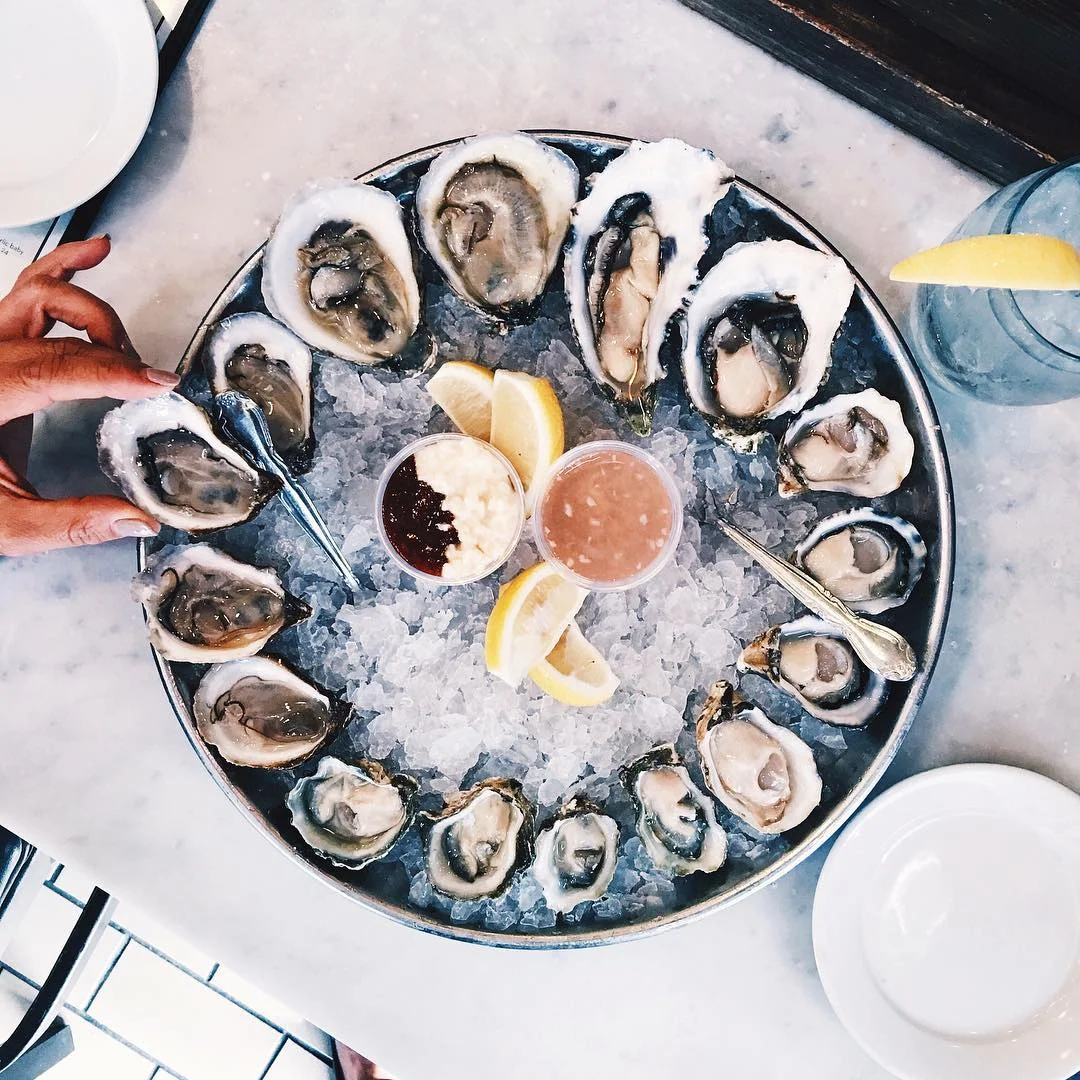
Lesson 2: Ordering
Select according to “style,” then by location.
When ordering wine, sake, or beer, it’s intuitive to first decide on a style before a location. Oysters are no different. While most oyster menus organize by geography (e.g., East Coast, West Coast, Canada, etc.), you’re better off deciding by size, salinity, flavor intensity, and texture.
East Coast v.s. West Coast.
Generally speaking, Pacific oysters will have a pronounced cucumber or vegetal undertone. Atlantics are more prone to take on earthy, mushroomy, and mollusky notes.
Texturally, Atlantic oysters tend to be solid bites—silky to meatier, whereas West Coast will be slightly creamier, custardy.
If you’re feeling more adventurous, try some specialty species like the European Native (save these for the end of your tasting), the Kumamoto, or tiny-but-mighty Olympia.
Focus on four to six varieties at a time.
Ordering too many varieties gets a bit overwhelming on the palate.
Get two of each.
Tasting two of the same oyster variety gives you a better sense of its flavor variations.
Try comparing apples to apples.
It’s fun to order oysters from all over the map, but also interesting to order different oysters from one region and compare the nuances.

Lesson 3: Quality Check
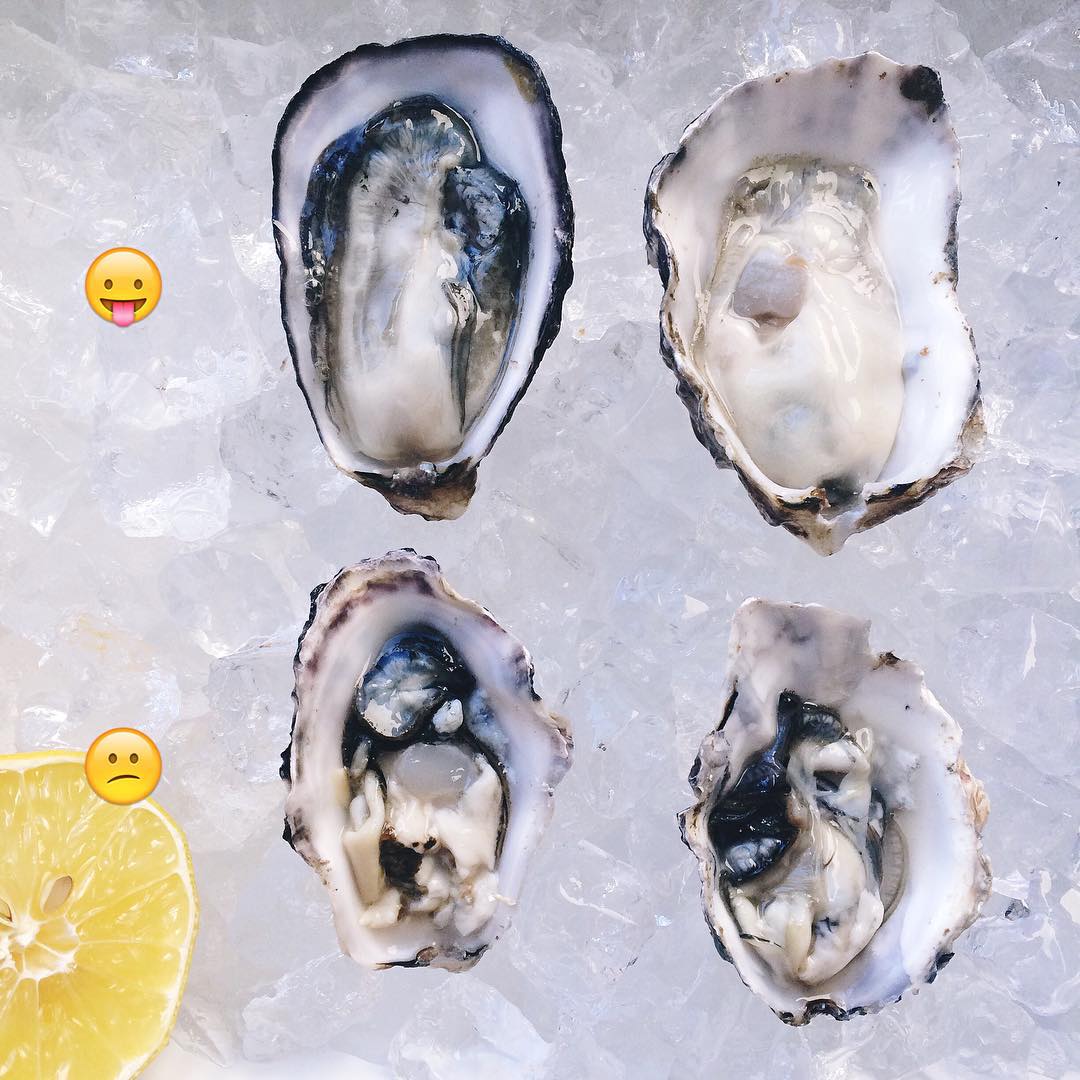
There is a WORLD of difference between a fresh, well-shucked oyster and a not-so-fresh, poorly shucked oyster.
Learn how to distinguish between the two (see Standards). Good quality oysters demand careful handling and presentation skills. Even the best oyster can be sabotaged by careless hands. Experienced oyster shuckers will take care to remove grit, toss bad oysters, and leave the meat fully intact. All vital for optimal oyster enjoyment.
Check for oyster liquor.
Fresh oysters should appear well-hydrated with sea water, so toss dry oysters that stick to their shells.
Don’t let your oysters sit in tap water.
Freshwater will kill them, along with their beautiful, oceanic flavors. You want to eat your oysters alive!
If the oyster gapes open, don’t eat it raw.
Give the oyster shell a few taps with a fork or another oyster shell. If it doesn’t close, it might be dead and best to toss or cook.
Keep oysters cold.
Always keep live oysters cold (in your fridge, between 32°F - 39°F) and out of the sun.
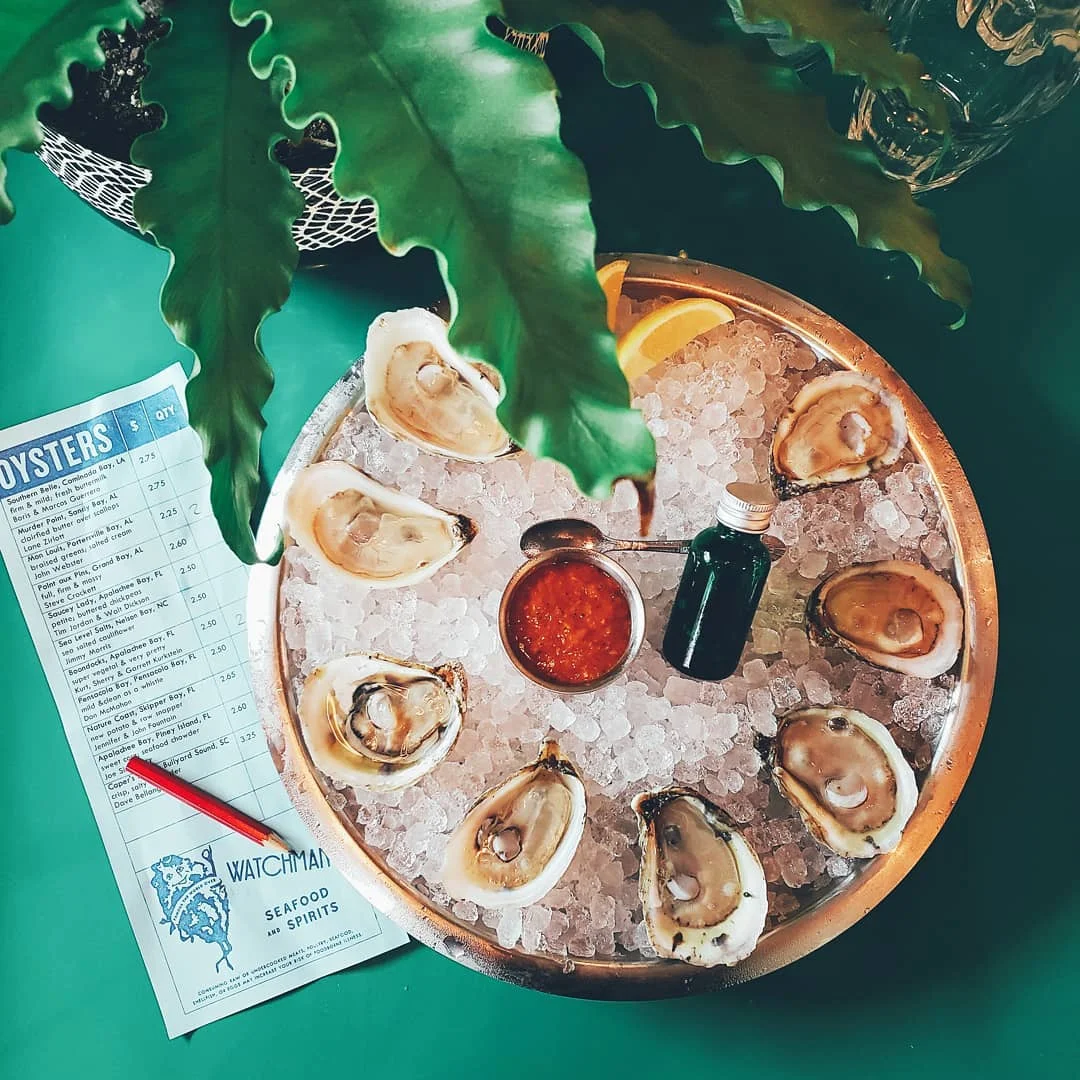
Lesson 4: Tasting
Oyster tasting is similar to wine tasting. You’re trying to sense, savor, and identify the nuances in flavor and texture imparted by environmental and climatic conditions. The culmination of these effects is what oyster aficionados call “merroir.”
My Six Steps of Pro Oyster Tasting
SEE: Feast with your eyes! Study the shell, shape, and color.
SMELL: It should smell sea-breezy and sweet, not fishy at all.
SIP: Sip the oyster liquor to get a sense of the salinity.
SLURP: Shimmy the oyster meat loose, tilt the flat edge of the shell to your lips, and slurp!
SAVOR: Chew and aerate to experience a diverse range of flavor. Pay extra attention to the mouthfeel (texture, body).
SHELL: Flip the shell over and admire the collaboration between nature and farmer.
All oysters fluctuate in taste and texture throughout the year. Why? I begin to address this in a Oyster Sensory Workshop video.

Lesson 5: Pairing
Wine and Oysters
Light-bodied, crisp, dry white wines and sparkling wines (champagne, corpinnat). Muscadet, Chablis, and Sancerre can be magnificent choices. There are some skin-contact wines that also are very lovely and interesting. Manzanilla sherry, too. The trick is to match the acidity and intensity of the wine to the brininess and mouthfeel of the oyster.
Beer and Oysters
Crisp lagers, malty and sweet porters, and smooth stouts (Guinness!). There are also oyster stouts out there made with real oysters… might be worth a shot.
Saké and Oysters
Saké can take your oyster game to a whole new level. In fact, there are many styles of premium sakes that are fantastic with oysters and seafood. Check out my Sake & Oyster Pairing guide to learn more.
How to pair?
Sip a little of your beverage of choice, then consume the oyster. Make sure you chew the meat! Take another sip. Let them flavors meld and decide whether the two are synergistic, neutral, or combative.
Lesson 6: Shucking
Use the right tool.
Get yourself an oyster knife! Shuck on a flat surface. Wear a glove or kitchen towel to protect your hand.
Start at the hinge.
Gently wiggle the knife blade, angled slightly down, into the hinge until it feels secure. Twist/torque the knife, like turning a doorknob, to pop open the shell. Don’t pry up and down.
Or try the side shuck.
If the hinge is obscured or busted, push the tip of the blade into the right edge where the adductor muscle is attached. Exert less force and more control by choking up on the blade.
Cut the adductor muscle.
Slide the blade across the top inside shell to sever the adductor muscle. Remove top shell. Then slide your knife under the bottom adductor muscle to dislodge it entirely.
Do your best to make it pretty!
Shucking a clean oyster takes practice. One trick is to turn the oyster over in its shell so that the bottom belly is up. Remove all broken shell or grit with tip of your knife.
Watch my video on How to Shuck.

Lesson 7: Accoutrements
Although I prefer my oysters “naked,” toppings can add a wonderful dimension to oysters if done in moderation.
For clean, briny East Coast oysters:
Try a classic red wine vinegar & shallot mignonette, a drizzle of lemon, or a pinch of freshly grounded black pepper. But not all at once!!!
Belons or Olympias:
A squeeze of lemon for a large Belon is all you need. Don’t you dare put anything on the Olympia.
For creamy, vegetal or minerally West Coast oysters:
Try ponzu with green onion, creme fraiche & American hackleback or Kaluga hybrid caviar (my favorite oyster upgrade), lime and grated ginger.
I’m serious about the moderation part!
Don’t cover your oyster with too much as will overpower the natural taste. This tends to happen easily with cocktail sauce or horseradish. What’s the point in doing that?
There’s more…
Interested in becoming a full-fledged oyster aficionado?
Take the How to Taste Oysters & Develop Your Palate online masterclass or embark on a full-fledged Level 1 Oyster Appreciation Fundamentals Certification Course.
Listen to these podcast episodes by Fishtales, Terroir Taste and Travel, and At the Table where I talk all about oysters.
Dig into my list of favorite oyster books!
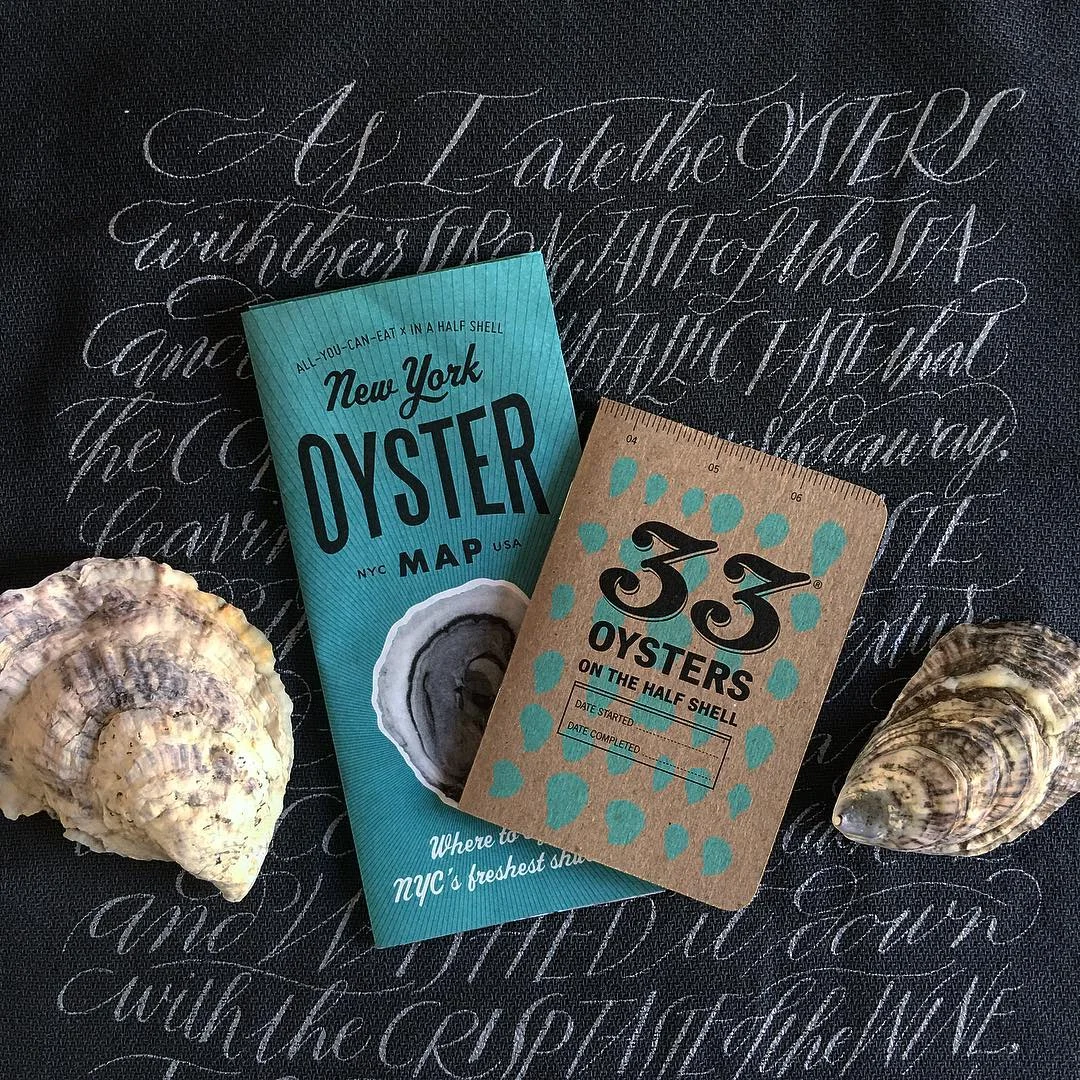
Track your tasting notes with this snazzy 33 Oysters on the Half Shell tasting journal.
Reference basic facts with my Five Oyster Species of North America poster or Oyster Anatomy print.